

Getting older comes with its own set of challenges. A new obstacle that is slowly growing into a problem is colorectal cancer. This issue deals with the colon or the rectum, both part of the large intestine. According to Mount Sinai Medical Center in Miami, Florida, more cases of colorectal cancer are coming up for people 50 and below. This matter is growing in severity to the point where medical professionals recommend people to get screened at 45. Dr. Steven Hochwald is the Chief of Surgical Oncology and leader of Mount Sinai Cancer Center. He shares the cause of this growing issue and what medical professionals in his line of work are doing in March for National Colorectal Cancer Awareness Month.

“We are increasing the awareness of the community and hosting educational events about colorectal cancer. One out of every 20 patients will get the disease and, if detected early, can be cured,” said Dr. Hochwald.
Colorectal Cancer is a disease that starts within the colon or rectum. It develops small growths in the large intestine called polyps. Polyps can become cancerous over time if not removed. The procedure to remove polyps and explore the colon is called a colonoscopy. Some of the side effects of colorectal cancer are abdominal pain, bleeding from your rectum, or blood on your stool. Colorectal cancer is very preventable, but not enough people are doing early screenings when matters are small.
“It’s a pity that people still die from colon cancer. There are several screening tests available that can detect it in the early stages. Unfortunately, the number of patients being screened is not as high as it should be. At Mount Sinai, we have a really good test that can get rid of colon cancer, so fewer people need to die from this disease,” said Dr. Hochwald.

The doctor discussed how a sedentary lifestyle and poor diet have been leading folks to get the disease. High-processed food lacks the proper nutrients for the body. That, combined with smoking and drinking, can lead to worse outcomes for individuals. Dr. Hochwald explains that the high-fat content in processed foods stimulates the polyps to appear earlier. The rising cases of people under 50 having polyps have pushed the recommended age to get a colonoscopy to 45.
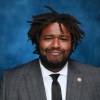
One person’s journey that is an example of taking this matter seriously is Rory Kenndy. He is a 36-year-old husband and father who got colorectal cancer and is in the process of recovering from it.
“I had a small tumor inside my ascending colon near the cecum. That moment put my world upside down. I have a wife, and my son turned one that week,” said Kennedy.
Kennedy is a healthy person who works out 5 days a week and has a balanced diet. There was no sign of him getting the disease. In 2022, he had abdominal pain and black tarry stools. Those issues subsided, but new ones arose in 2024. Kennedy was diagnosed with stage 3 colon cancer. He had 45 polyps inside of him, with eight being cancerous. He had surgery at Mount Sinai that removed part of his colon and small intestine. He has recovered, but the hardest part for him was the uncertainty at the beginning.
“The mind game of knowing what you have was difficult. Your mind goes into a lot of dark places in those first months of finding out that you have cancer. When they took out the tumor piece, they studied it and told me it had stage 3c, the last step before stage four cancer,” said Kennedy.
Kennedy joined a Facebook group called Colon Town. It became another source of support. From there, he learned stories of people’s journeys with the disease. There were sub groups within colon town that put people who were in different stages, ages and genders together. Kennedy was able to talk others who faced very similar challenges. Colon town was a big help during this taxing chapter of his life.
Dr. Hochwald and Kennedy encourages everyone to get screened for Colorectum cancer. Both of them know how devistaing this diease can be and know how much easier the situation could be if action is taken early.